Defined by
What It Does,
Not What It Is

What it is not
What it is
Recreational aviation
Mission access infrastructure
A passion project
A governed institutional capability
A symbolic initiative
A functional access system
A standalone operation
An integrated engine within the institution

Angel Mercy Flights is the aviation access infrastructure through which The SAVI Ministries addresses the geographic constraint at its root. The capability has been developed and held within the same architectural framework as every other component of the system: a serious, mission-critical access layer designed to operate precisely where traditional transportation infrastructure cannot reach and conventional logistics cannot serve.

Aviation capability carries none of the symbolic or personal character that occasionally attaches itself to aviation in humanitarian contexts. It is not defined by enthusiasm for flight, by the interests of its operators, or by a desire to signal ambition through aircraft. It is defined entirely by the access problem it exists to solve: the gap between where people are and where care is, in the environments where that gap has the most severe human consequences.

The capability is governed, developed, and positioned within the institution's architecture on those terms alone. Understanding Angel Mercy Flights requires starting from the access problem — not from the aircraft.

In humanitarian service, geography functions as the primary determinant of whether care arrives or does not.
01
Remote conditions limit reachMany environments where humanitarian need is most concentrated exist beyond reliable ground access — terrain, infrastructure absence, seasonal conditions, and distance combine to make timely ground response structurally insufficient.
02
Time sensitivity requires mobilityWhether a patient reaches a facility, whether a response meets an emergency before the window closes, whether the mission succeeds or is simply noted with regret — these outcomes depend on the capacity to move with a speed that ground systems cannot reliably provide across constrained environments.
03
Ground systems alone are insufficientThe most capable ground network in the world reaches its operational limit at the boundary of infrastructure. Aviation removes that limit — not as a supplement to ground capability but as the access mechanism that activates it in the environments where it would otherwise be inoperable.

The humanitarian case for aviation access is structural rather than dramatic. Across the Americas, the populations most vulnerable to the convergence of poverty, distance, and absence of institutional response are frequently those for whom ground access is most compromised — remote agricultural communities, populations in mountainous or flooded terrain, communities served by medical facilities that are technically present but practically unreachable when urgency is highest.

For these populations, the question of whether care arrives is not primarily a question of whether care exists. It is a question of whether the infrastructure required to deliver care can be activated at the speed and in the environments the situation demands. Aviation access is the institutional answer to that question.

Angel Mercy Flights was established within The SAVI Ministries' institutional architecture because the mission the institution pursues cannot be fulfilled without it. Access is not an optional dimension of humanitarian capability. In the environments this mission addresses, it is the precondition for everything else.
Realistic
Operational Use Cases

The following profiles represent the types of missions that aviation access capability is designed to support. They are described as categories of use rather than specific operations, in alignment with the institution's current development phase and proof discipline.

Profile 01
Rapid Response Access

Time-sensitive situations requiring movement of personnel, medical support, or critical resources to or from environments where the response window is measured in hours rather than days. The access capability exists to ensure that the time constraint does not determine the outcome.

Access context · Time-sensitive · Ground-limited environments
Profile 02
Remote Humanitarian Reach

Communities whose geographic isolation makes sustained humanitarian presence through ground systems structurally impractical. Aviation capability enables periodic coordinated access that would otherwise require infrastructure the mission cannot assume to be present.

Geographic access · Sustained reach · Infrastructure-independent
Profile 03
Critical Transport Support

Movement of individuals requiring medical attention to appropriate care facilities when the distance or condition of ground routes makes timely transport by other means insufficient. The capability serves as the access bridge between need and care.

Medical access · Transport support · Coordination required
Profile 04
Logistical Access to Constrained Environments

Delivery of resources, personnel, or coordination capacity to locations where ground logistics are seasonally, physically, or operationally constrained. Aviation access converts logistical impracticality into managed possibility.

Logistics access · Constrained environments · Coordinated delivery

These profiles describe categories of mission context, not claims of current operational scale, deployment frequency, or active mission volume. The capability is being developed in structured alignment with the institution's governance progression and operational readiness.

Capability
Matched to
Environment

Short-Field Operations
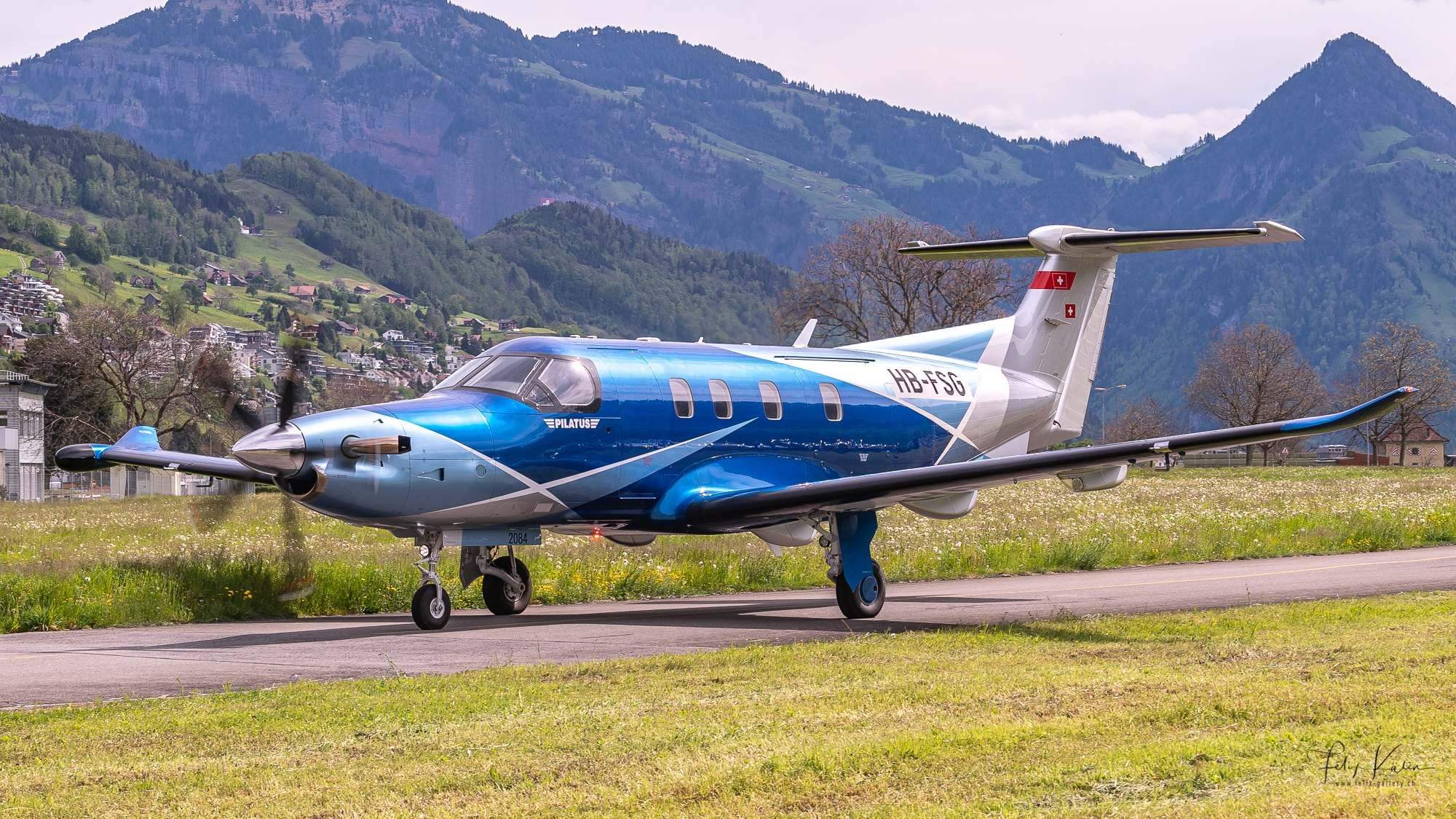
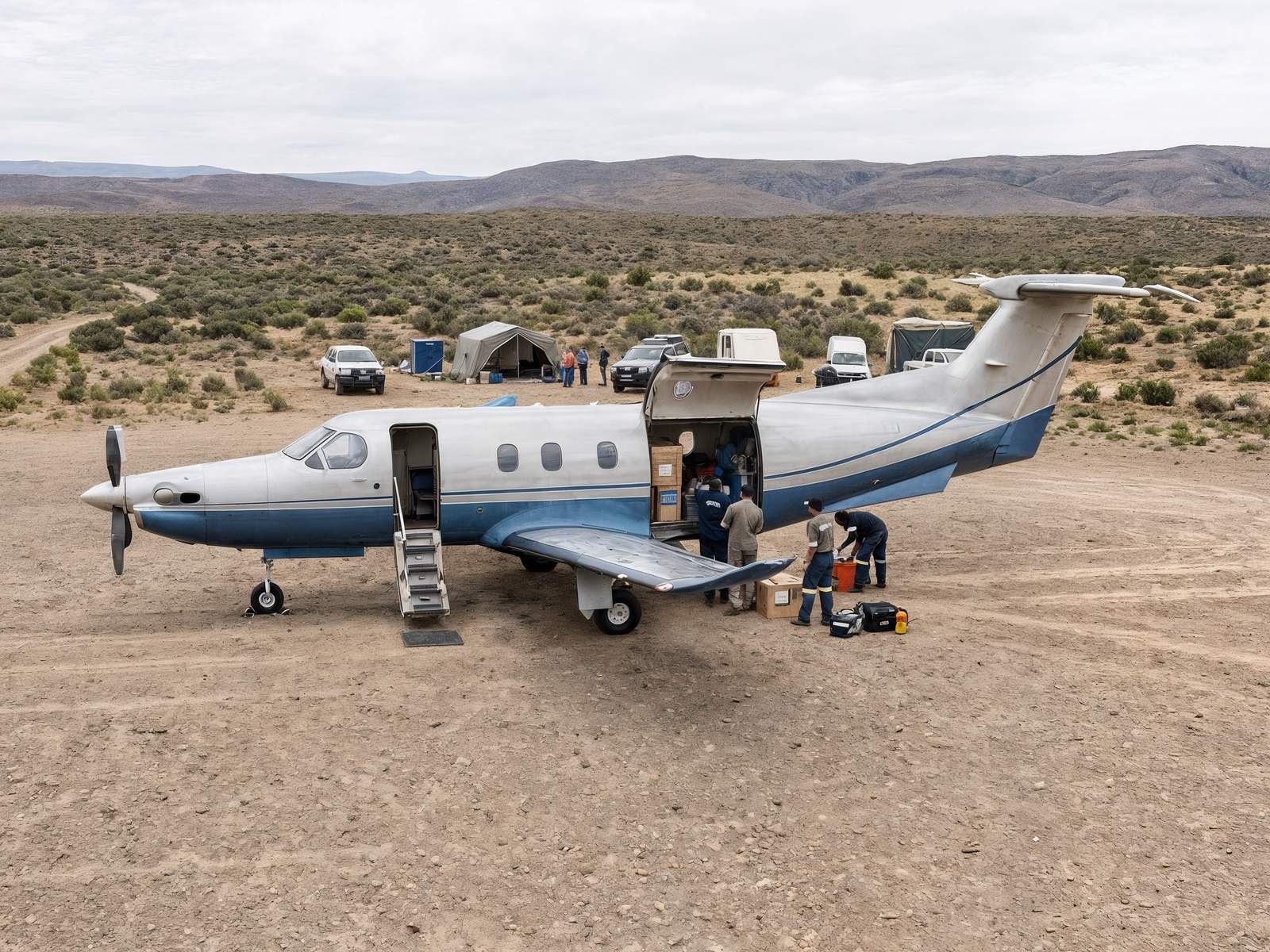
Smaller aircraft are designed to operate from shorter, unprepared, and less maintained landing areas — the operational reality in remote humanitarian environments where commercial aviation infrastructure is absent.
Flexible Deployment Constraints
The operational and logistical requirements for deploying smaller aircraft in remote environments are materially lower than for larger systems — making sustained capability in resource-constrained settings organizationally feasible rather than aspirational.
Access Precision
The mission requires reaching specific communities in specific environments with specific timing constraints. Smaller aircraft provide the access precision that larger systems cannot — arriving where the need is rather than where the infrastructure permits.

The operational rationale above reflects the physical and logistical constraints of the environments this mission addresses. These explanations describe capability fit rather than claims of current fleet composition, readiness status, or deployment capacity.

Angel Mercy Flights — operational aircraft loading supplies at remote airstrip
Angel Mercy Flights — cockpit view approaching remote mission airstrip

The selection of smaller aircraft for this mission capability is a function of the operational logic, not of resource limitation or ambition. Larger aircraft provide scale advantages that are irrelevant in environments where the landing infrastructure to support them does not exist and where the population density does not warrant the operational overhead they require.

In the environments where Angel Mercy Flights is designed to operate — remote communities, infrastructure-limited regions, time-sensitive access situations — the decisive capability question is not how large the aircraft is but whether it can reach the location, operate from it safely, and do so with a level of operational and logistical simplicity consistent with sustained capability at institutional scale.

Smaller aircraft answer that question in the affirmative. Larger aircraft, however capable in the environments they are designed for, cannot. The choice is therefore not a compromise. It is an optimization — capability matched precisely to the access problem the mission requires solving.

Conditions That
Define the Access Problem

The following categories describe the types of environments where aviation access capability is operationally relevant. They are defined by condition rather than geography, in keeping with proof discipline requirements.

Environment Type 01
Remote Regions

Communities situated at distances from medical facilities, coordination centers, or resource hubs that make timely ground access unreliable under normal conditions and effectively impossible under emergency conditions.

Environment Type 02
Infrastructure-Limited Areas

Locations where road quality, bridge capacity, or the absence of maintained ground routes renders conventional vehicle access structurally constrained — not occasionally but as a baseline condition of the operating environment.

Environment Type 03
Underserved Locations

Communities that exist within nominal reach of services on a map but whose actual access to those services is compromised by economic barriers, distance amplified by poor ground infrastructure, or the absence of coordination mechanisms that would make referral systems function.

Environment Type 04
Time-Sensitive Access Zones

Situations in which the interval between need and response is the operationally decisive variable — where a ground response would arrive within a time frame that is structurally insufficient for the situation the response is addressing.

These environment types describe conditions rather than specific locations, coverage areas, or geographic footprints. No map or geographic coverage claim is implied or intended. The capability is designed for these conditions wherever they occur within the institution's operating region.

Not Standalone.
Integrated.

Engine 01
Faith Aligned Humanitarian Network

Aviation access operates most effectively when a trusted coordination layer exists on the ground. The Network provides that layer — identifying where access is needed, coordinating with partners who can receive and direct incoming resources, and ensuring that arrival translates into organized service rather than uncoordinated presence.

Engine 03
Stewardship and Endowment

Aviation capability requires sustained institutional investment to maintain operational readiness, safety standards, and the organizational continuity that makes it reliable. The Endowment Foundation ensures that capability, once developed, does not degrade when fundraising conditions shift — converting a year-to-year achievement into a permanent institutional asset.

Angel Mercy Flights operates as the mobility layer within a coordinated institutional architecture. Without the Network, it has the capacity to arrive but not the coordination to serve. Without the Endowment, it has the capability today but not the guarantee of tomorrow. The three engines are designed to be stronger together — and that design is deliberate.

The integration logic of Angel Mercy Flights within the broader institutional system is not incidental. It was designed into the architecture from the beginning as the operational expression of the institutional philosophy that governs The SAVI Ministries: that capabilities designed to serve human need at the level of consequence are best organized as a single interdependent system rather than as parallel efforts that occasionally intersect.

When Angel Mercy Flights extends access into an environment the Faith Aligned Humanitarian Network has established coordinated presence within, the result is not merely transport. It is the activation of a coordinated humanitarian response in an environment that would otherwise be unreachable within a time frame that matters.

When the Endowment Foundation provides the capital continuity that protects both capabilities across the funding cycles and leadership transitions that every institution encounters, the result is not merely financial security. It is the institutional condition that makes long-horizon humanitarian commitment trustworthy rather than aspirational.

The capability is not presented as a standalone achievement. It is presented as one of three engines within a system whose power derives from their integration.

Capability Built in Institutional Alignment

The aviation capability of Angel Mercy Flights is being developed in structured alignment with the institution's governance progression and operational readiness — not as a standalone initiative with its own development timeline, but as one engine within a system whose phases are coordinated and whose sequencing is deliberate.

The institution does not make readiness claims, deployment commitments, or expansion promises in advance of the institutional and legal architecture that would support them responsibly. Development follows governance. Operational readiness follows development. And the institutions that have earned the confidence of serious philanthropic capital over time have universally done so by building in that order.

Governance ArchitectureInstitutional framework formally established. Aviation capability positioned within governance and legal architecture.
Legal ArchitectureAviation operational legal framework in development. SPE and entity structuring aligned with institutional progression.
Operational ReadinessFull operational activation follows completion of legal and credibility architecture phases. No timeline stated.

Participation and Support Follow
Structured Institutional Pathways

Engagement with Angel Mercy Flights — whether as a philanthropic contributor, a technical partner, or a mission-aligned supporter — follows the institutional engagement architecture that governs all relationships within The SAVI Ministries. There is no open participation, no simplified conversion pathway, and no urgency framing. The capability is serious. The engagement pathways reflect that seriousness.

Pathway 01
Mission-Aligned Partners

Organizations and individuals whose operational capabilities, institutional relationships, or field presence align with the mission environments and access requirements this capability addresses. Partnership engagement follows the structured institutional pathways defined by the Faith Aligned Humanitarian Network architecture.

Pathway 02
Technical Contributors

Those with aviation expertise, operational safety knowledge, or technical capabilities relevant to the development and maintenance of mission-grade aviation infrastructure. Technical engagement is evaluated against the institution's operational standards and governance requirements.

Pathway 03
Supporters Enabling Access

Philanthropic contributors whose giving supports the institutional capital and operational infrastructure required to develop and maintain aviation access capability across the development phases through which the institution progresses. Support engagement follows the stewardship architecture governing all philanthropic relationships.

Part of the Institutional System
Mission requires access. Angel Mercy Flights exists to make that access possible within a coordinated institutional system.